EUROPEAN PROGRAMME
Europe is preparing to return to the Moon. Europe’s ability to move around the lunar surface independently will be one of the keys to its future missions.
To fulfil this ambition, Venturi Space is developing MONA LUNA, Europe’s first large lunar rover, and ALTA LUNA, a lunar utility vehicle.
VENTURI SPACE IS DEVELOPING ITS FIRST EUROPEAN LUNAR ROVERS
Objective: provide Europe with a lunar mobility capability by 2030
To support Europe’s ambitions for lunar exploration and operations, Venturi Space is developing two complementary vehicles designed for surface operations.
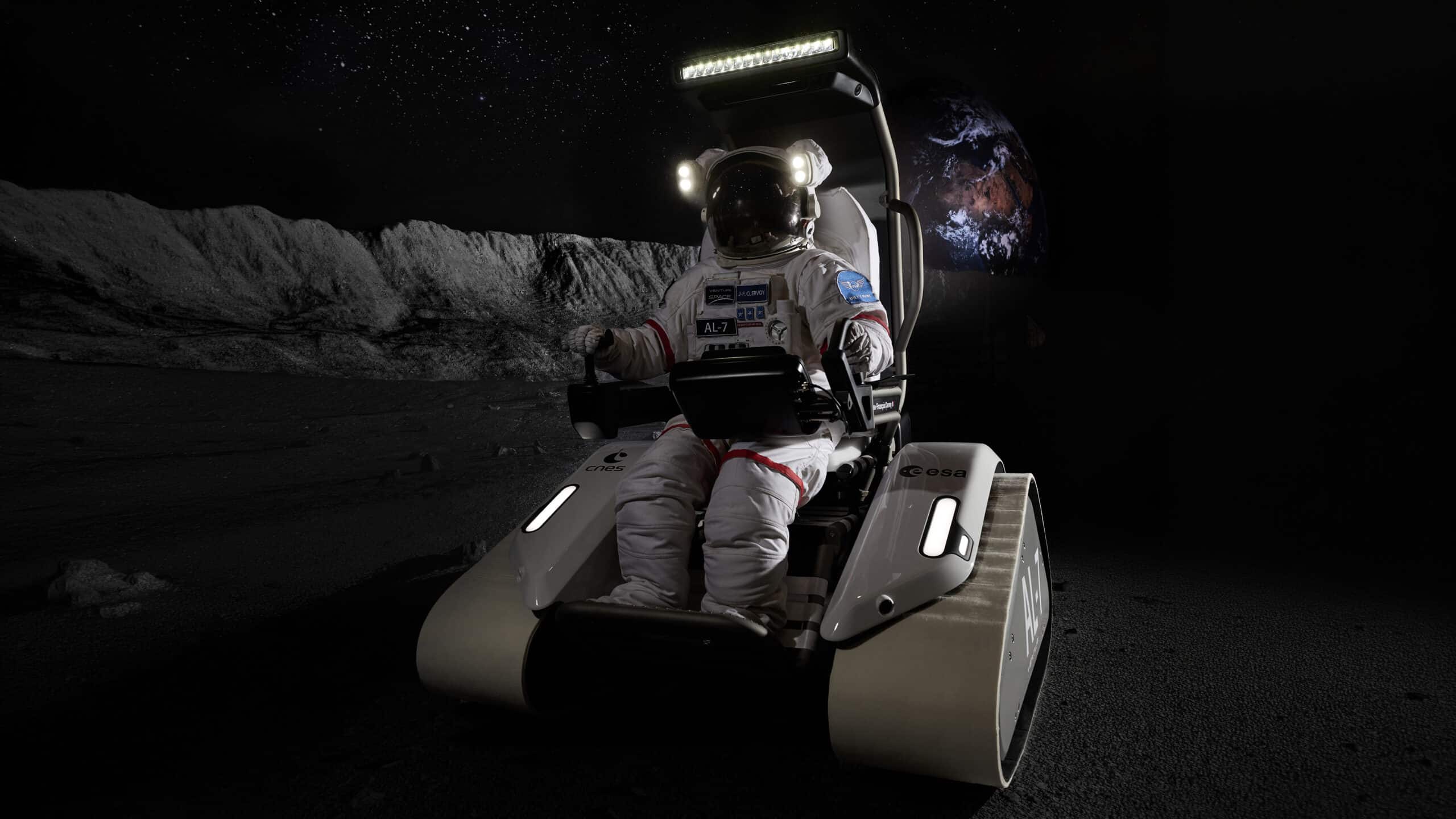
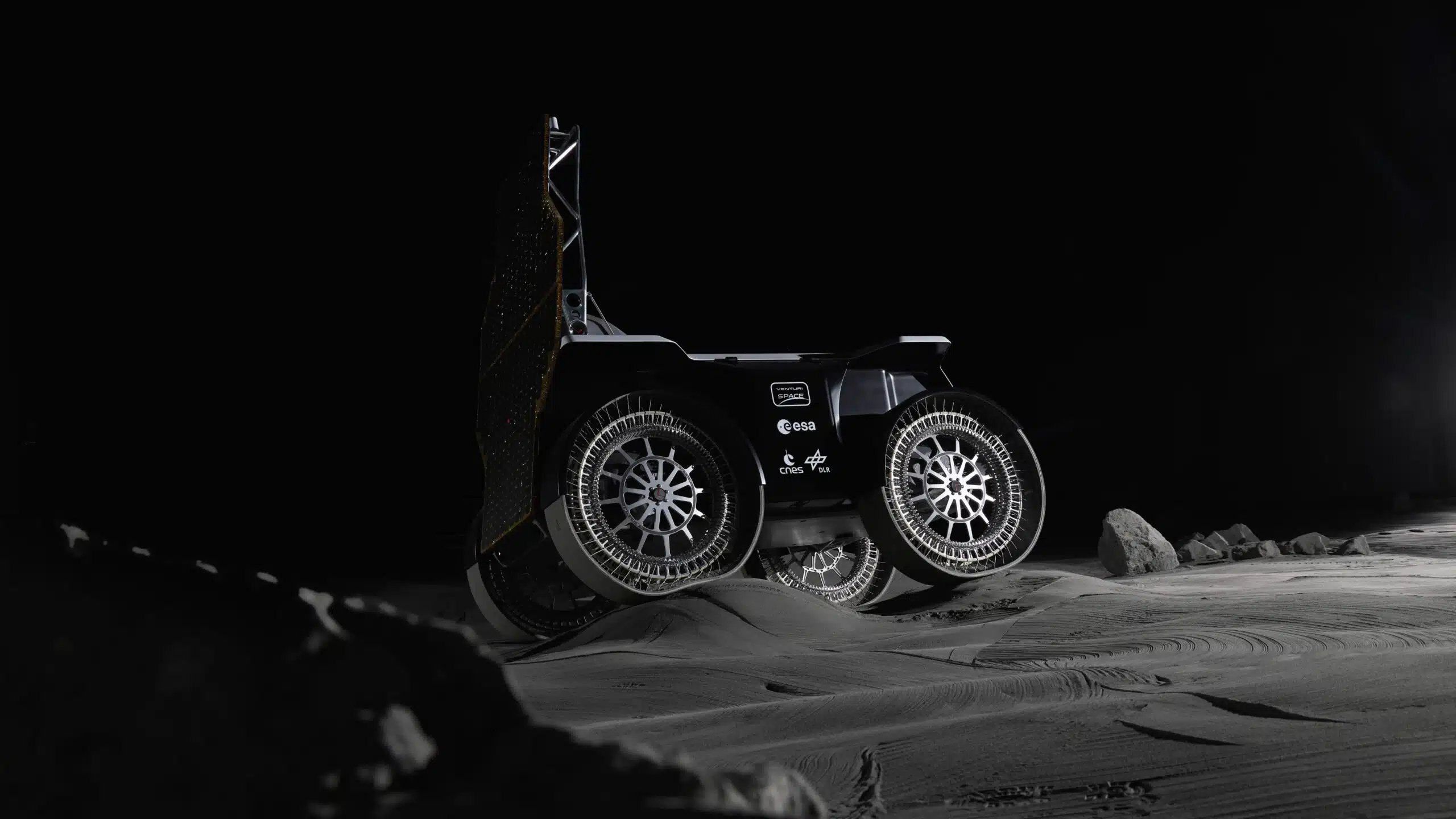
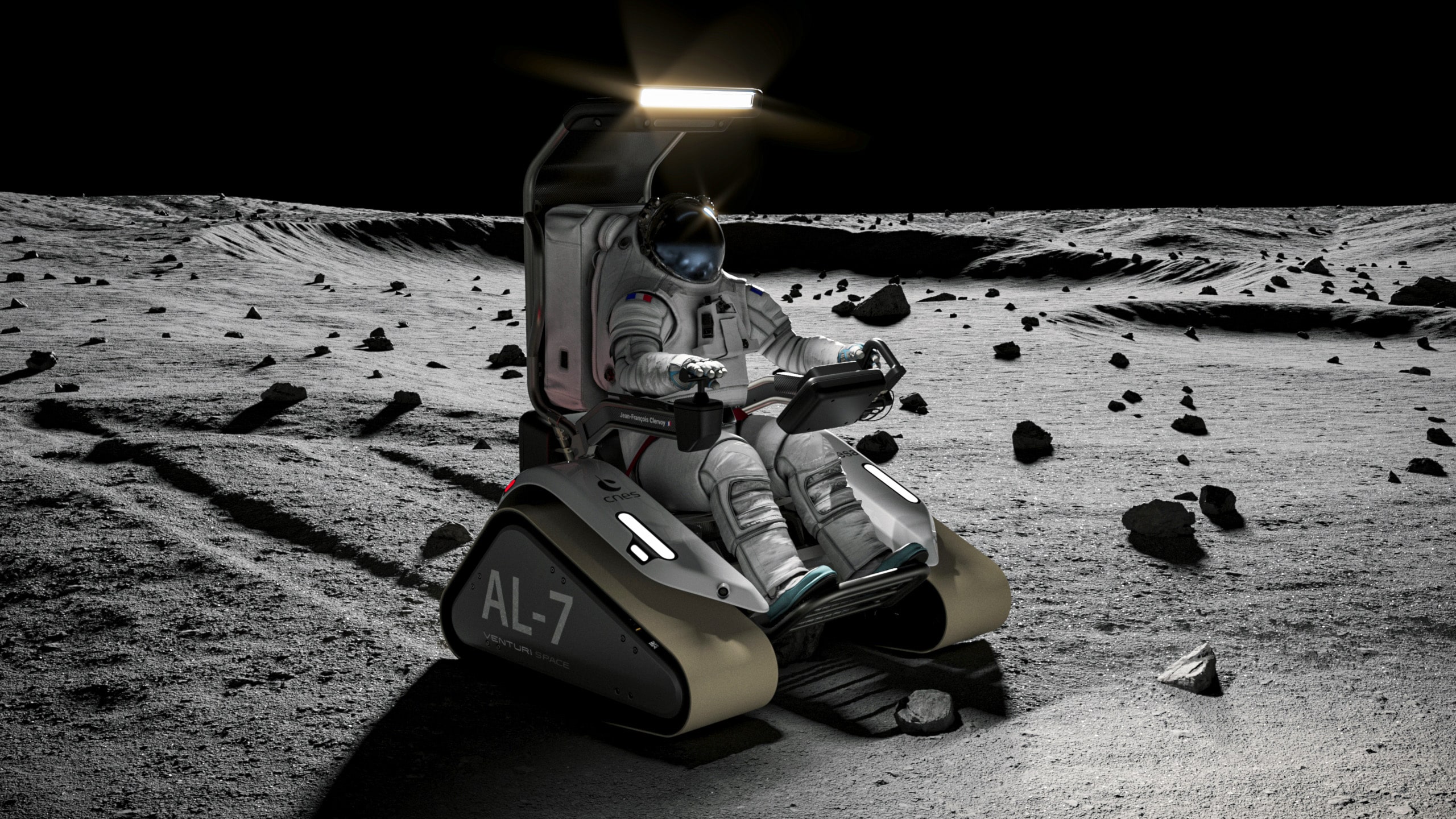
MONA LUNA is designed to explore, transport payloads and support scientific activities. ALTA LUNA is a compact, manoeuvrable lunar rover designed for local operations around future lunar bases. Its design has two objectives: to assist astronauts and to carry out payload-handling and transport missions.
Together, MONA LUNA and ALTA LUNA are part of the effort to provide Europe with a sovereign lunar mobility capability.
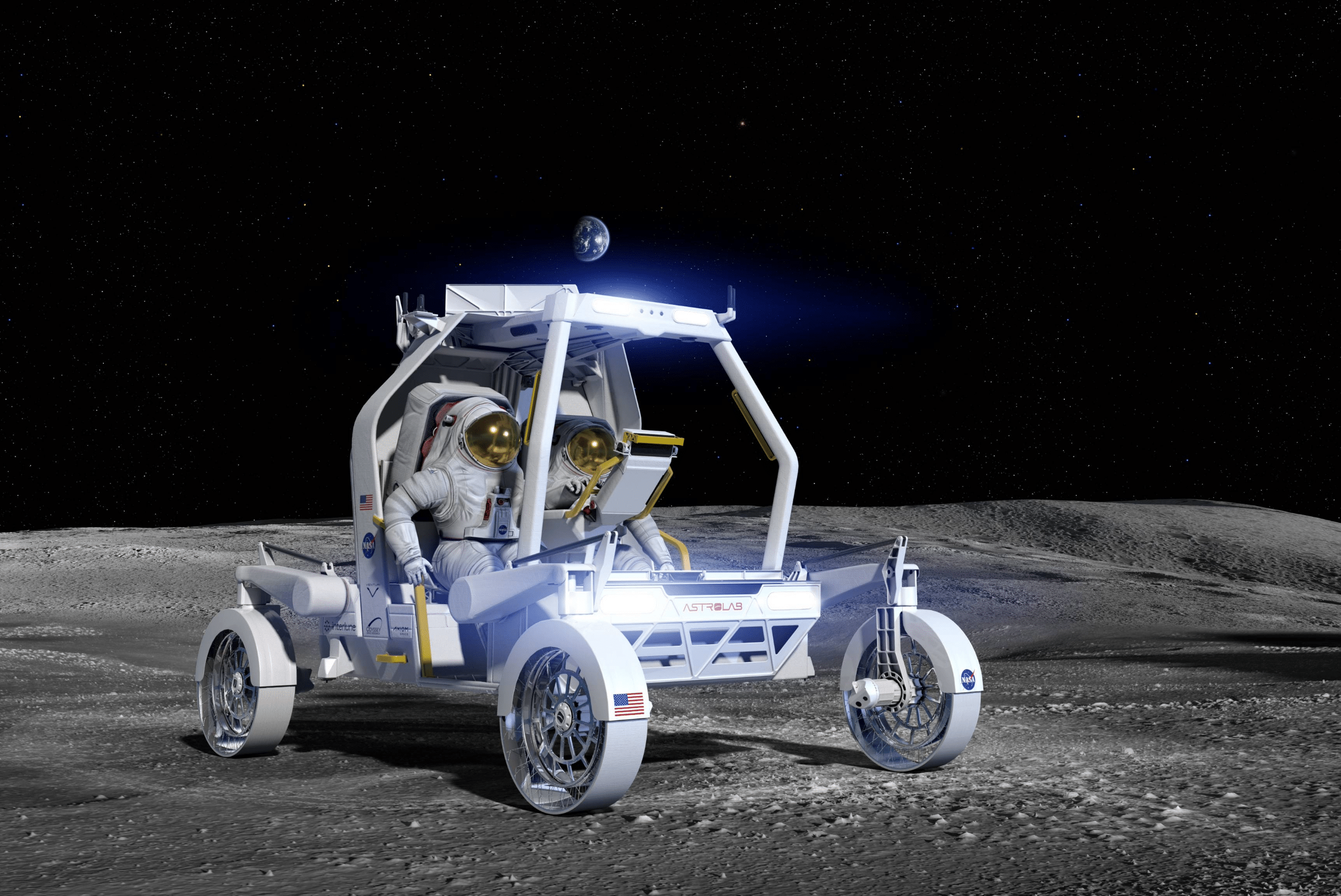
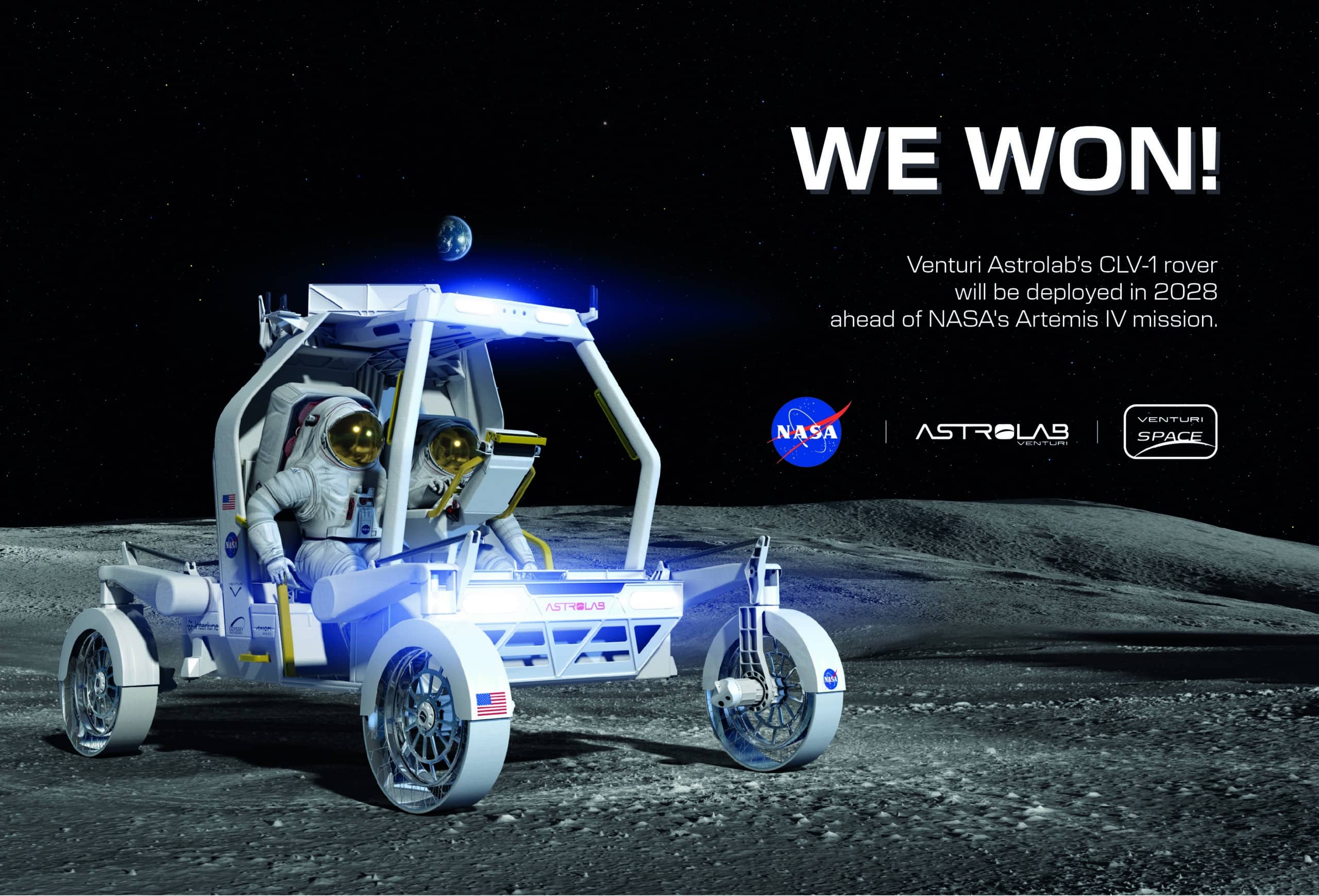
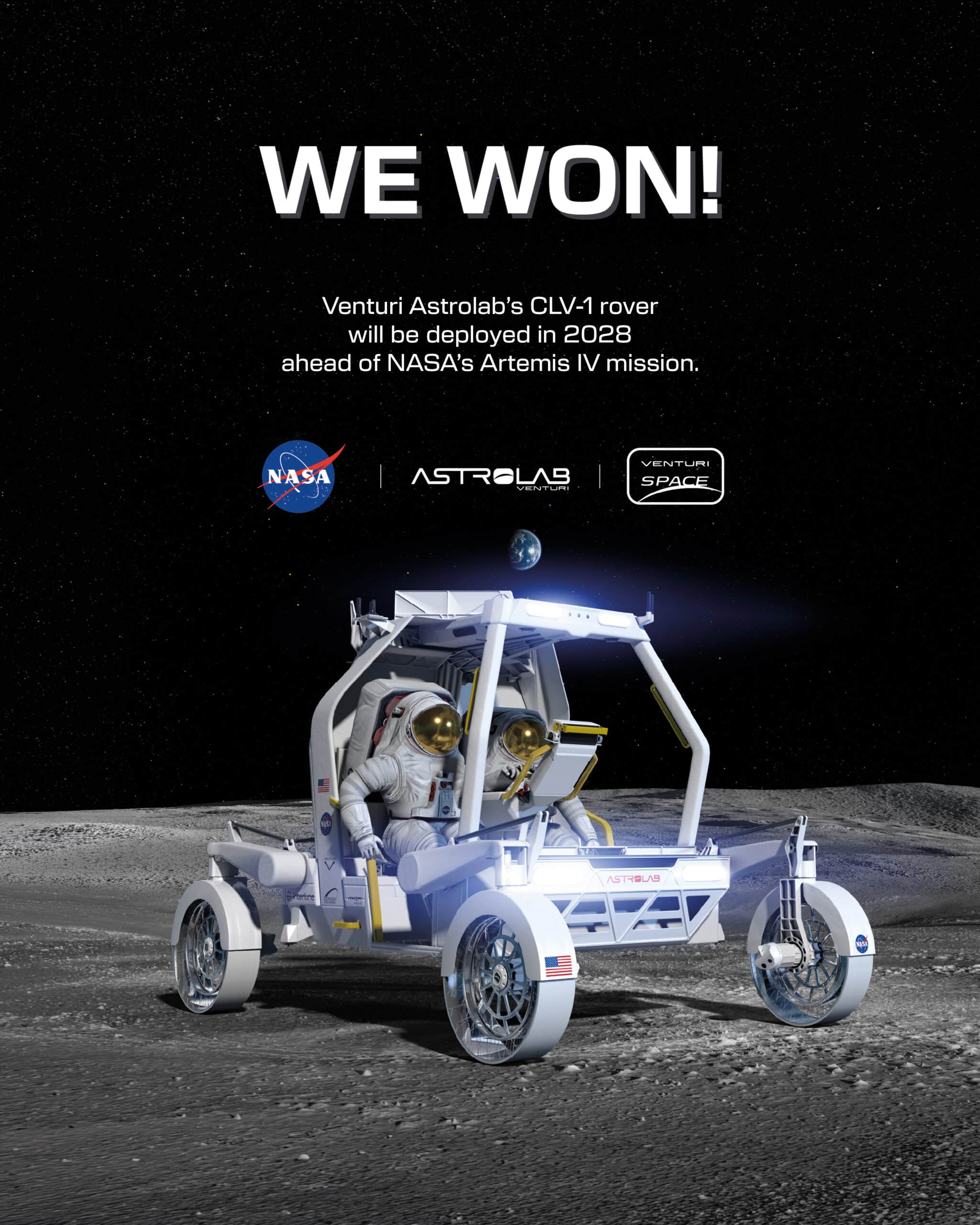
The development of these two vehicles builds on the experience gained through the strategic partnership with the US company Venturi Astrolab.
A EUROPEAN ARCHITECTURE
Three countries, two vehicles, one shared ambition
The European programme brings together the expertise developed by Venturi Space across its three sites in Switzerland, Monaco and France.
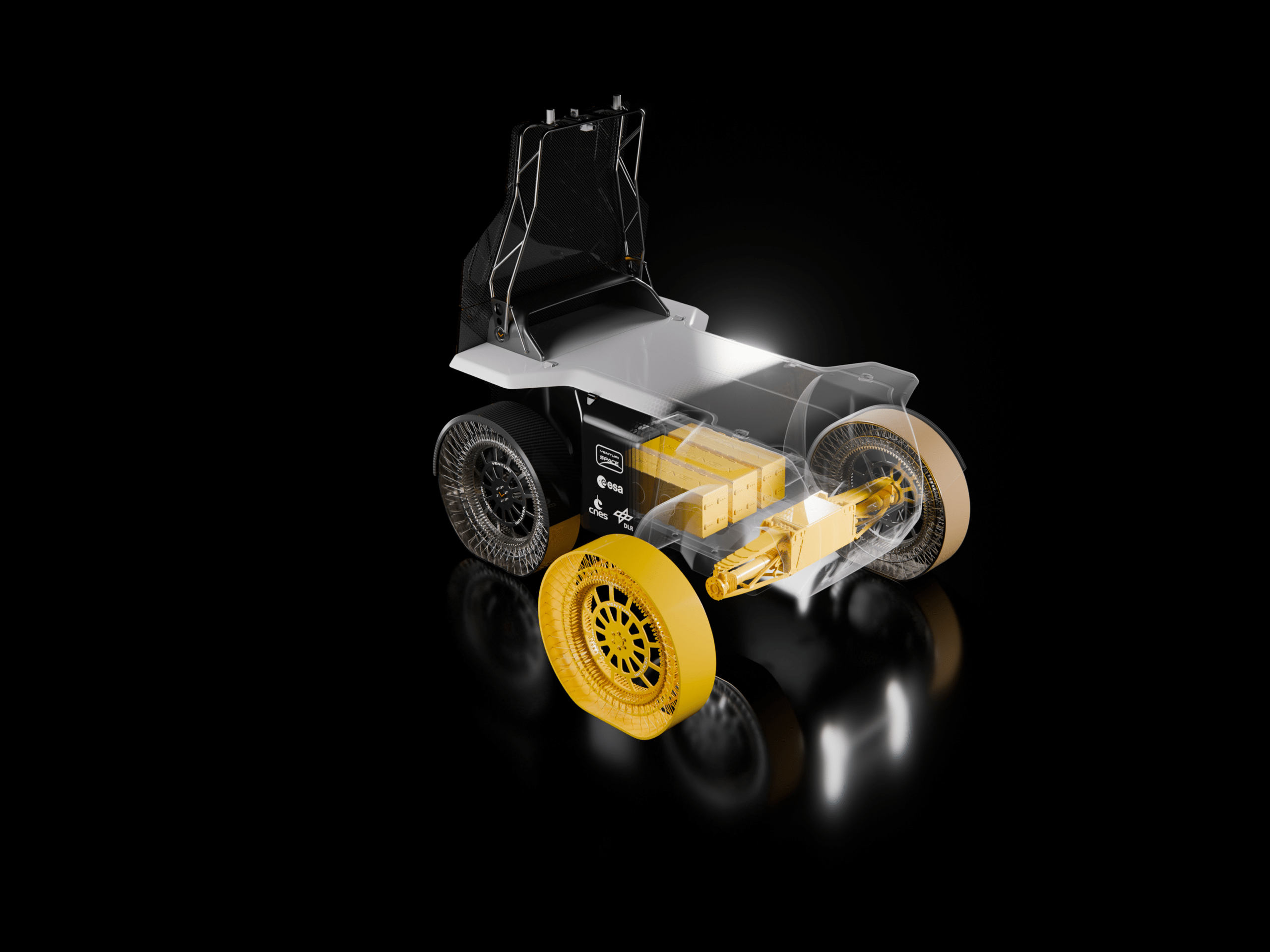
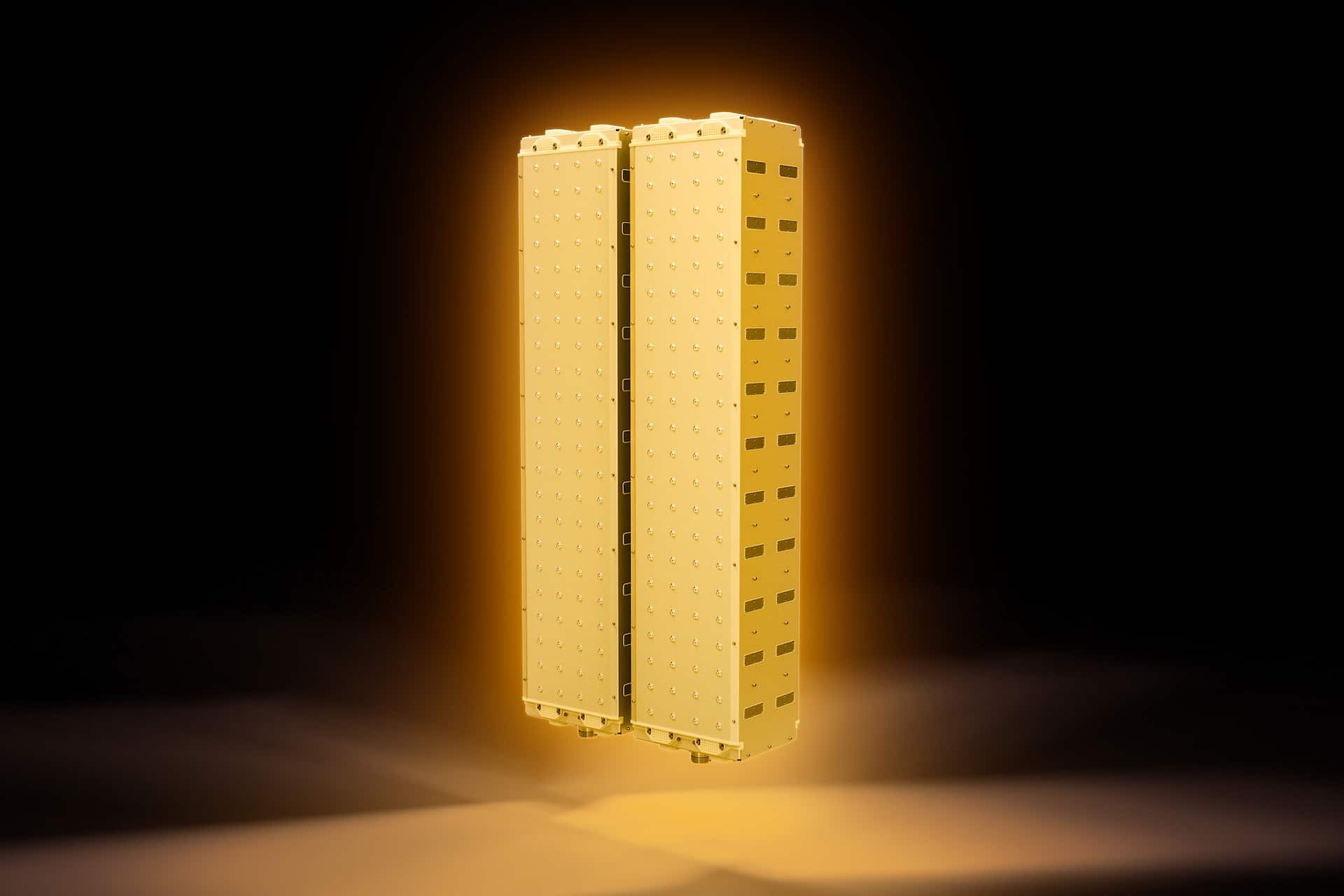
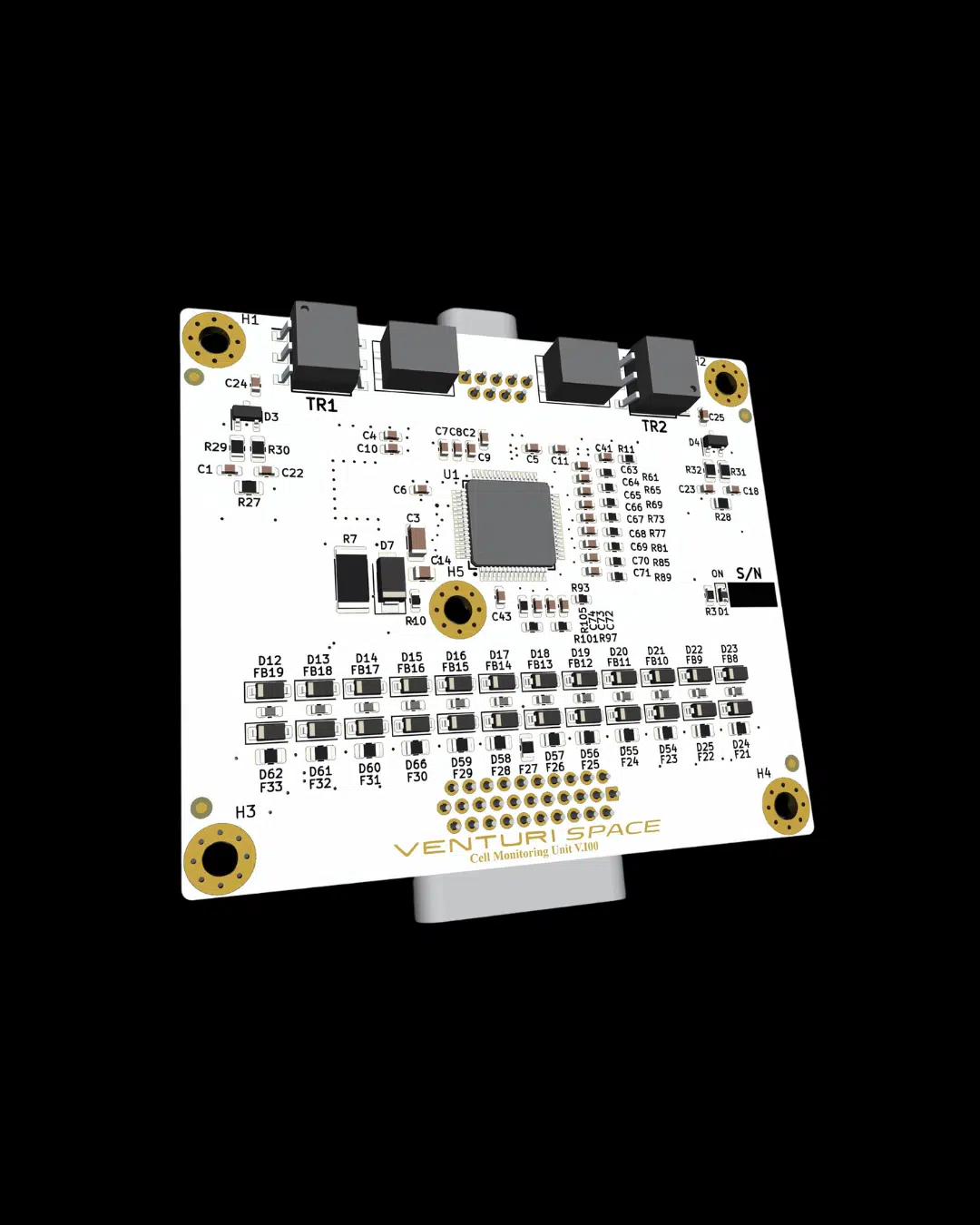
These teams pool their expertise in hyper-deformable wheels, high-performance batteries, vehicle engineering, onboard management systems, integration and qualification.
MONA LUNA and ALTA LUNA feature the same battery solutions and battery management systems as those incorporated into Venturi Astrolab’s CLV-1, selected by NASA as part of the Artemis campaign. In addition, MONA LUNA features the same hyper-deformable wheels as the CLV-1.
In 2026, under a contract awarded by the European Space Agency (ESA), Venturi Space conducted a de-risking study covering three key areas: locomotion capabilities, power supply and thermal regulation. The tests, conducted at the LUNA facility in Cologne, also covered MONA LUNA’s exit from a representative model of the Argonaut lunar lander, a critical phase known as egress.
MONA LUNA is designed to integrate into a European mission architecture combining this lander with the Ariane 64 launcher.
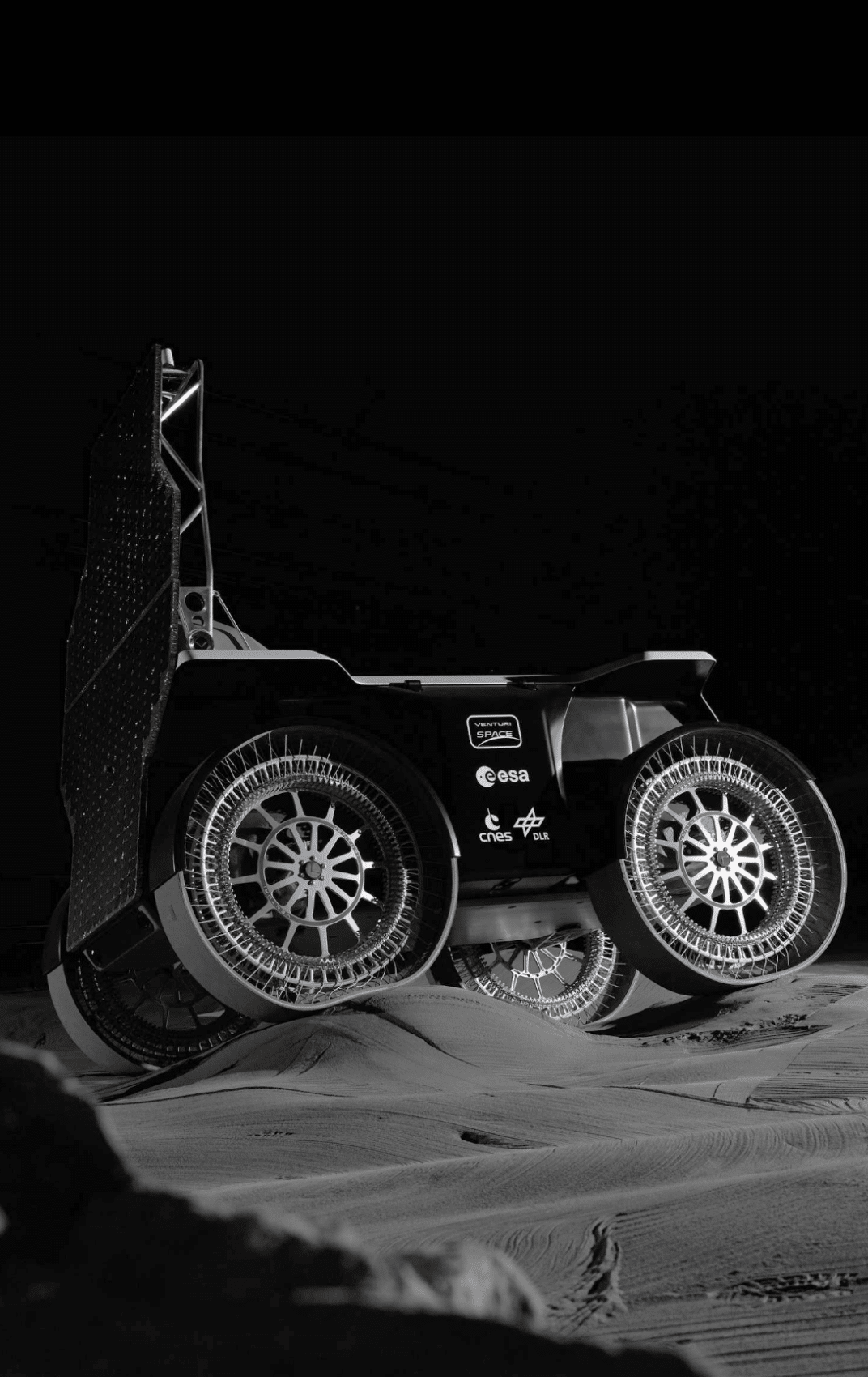
MONA LUNA AND ALTA LUNA, FACING THE CHALLENGES OF THE LUNAR SOUTH POLE
The lunar South Pole is one of the most hostile environments ever explored: rugged terrain, intense solar radiation, abrasive regolith, temperatures ranging from -240°C to +130°C and nights lasting up to fourteen Earth days.
Both MONA LUNA and ALTA LUNA are designed to operate in this environment.
The lunar South Pole is one of the most hostile environments ever explored: rugged terrain, intense solar radiation, abrasive regolith, temperatures ranging from -240°C to +130°C and nights lasting up to fourteen Earth days.
Both MONA LUNA and ALTA LUNA are designed to operate in this environment.
MONA LUNA, SUPPORTING LUNAR MISSIONS
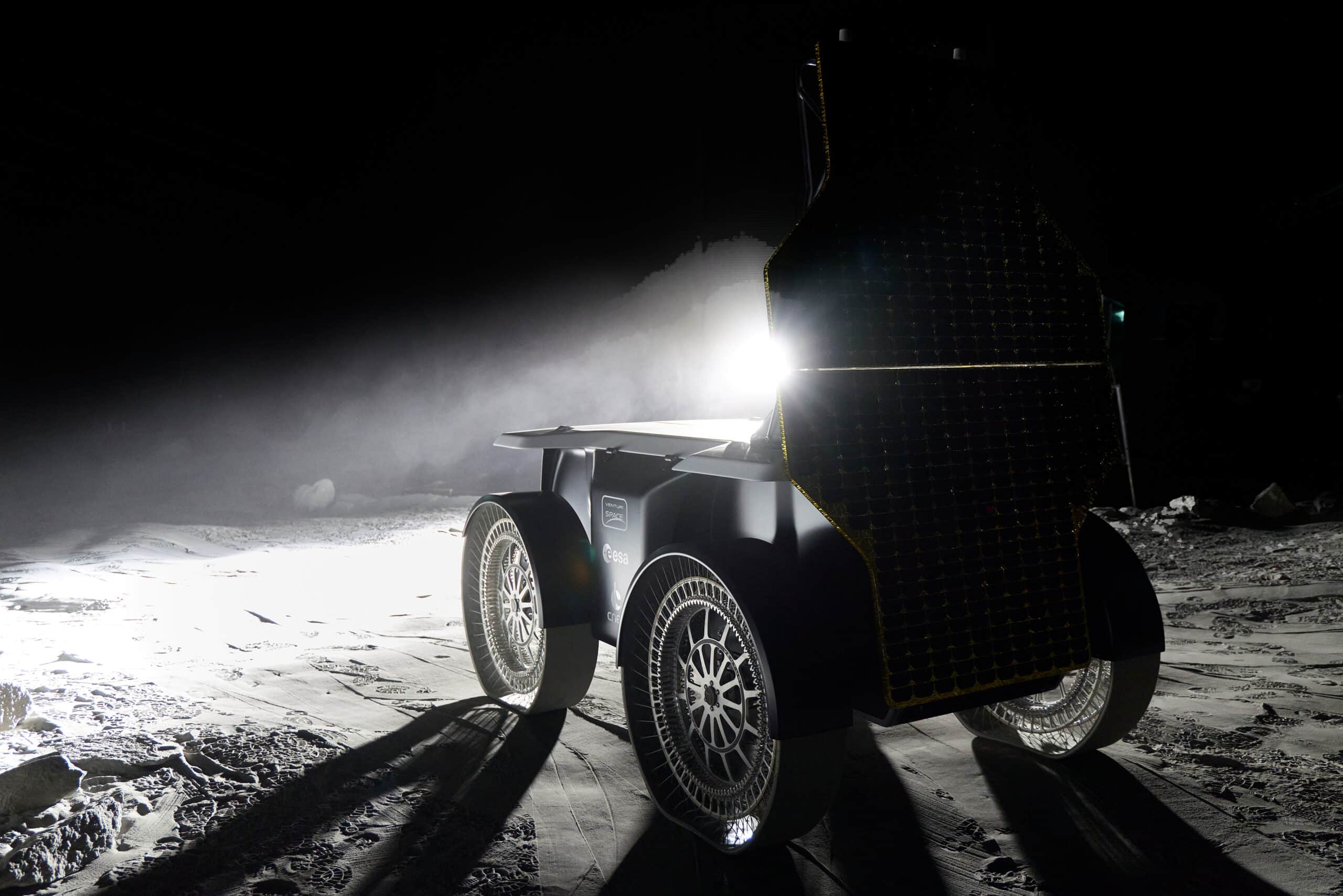
A versatile platform, MONA LUNA meets the needs of scientific and logistical operations on the lunar surface.
With four-wheel drive, four-wheel steering, passive-damping suspension and its power architecture, it can climb slopes of up to 33°, operate autonomously or by teleoperation, and survive several lunar nights before resuming operations when daylight returns.
Its versatility enables it to transport payloads, deploy scientific instruments, support surface operations and contribute to the characterisation of the lunar environment and its resources.
Its robotic arm and payload-carrying capacity also enable it to handle equipment and support crewed missions.
A versatile platform, MONA LUNA meets the needs of scientific and logistical operations on the lunar surface.
With four-wheel drive, four-wheel steering, passive-damping suspension and its power architecture, it can climb slopes of up to 33°, operate autonomously or by teleoperation, and survive several lunar nights before resuming operations when daylight returns.
Its versatility enables it to transport payloads, deploy scientific instruments, support surface operations and contribute to the characterisation of the lunar environment and its resources.
Its robotic arm and payload-carrying capacity also enable it to handle equipment and support crewed missions.
ALTA LUNA, OPERATING CLOSE TO HABITATS
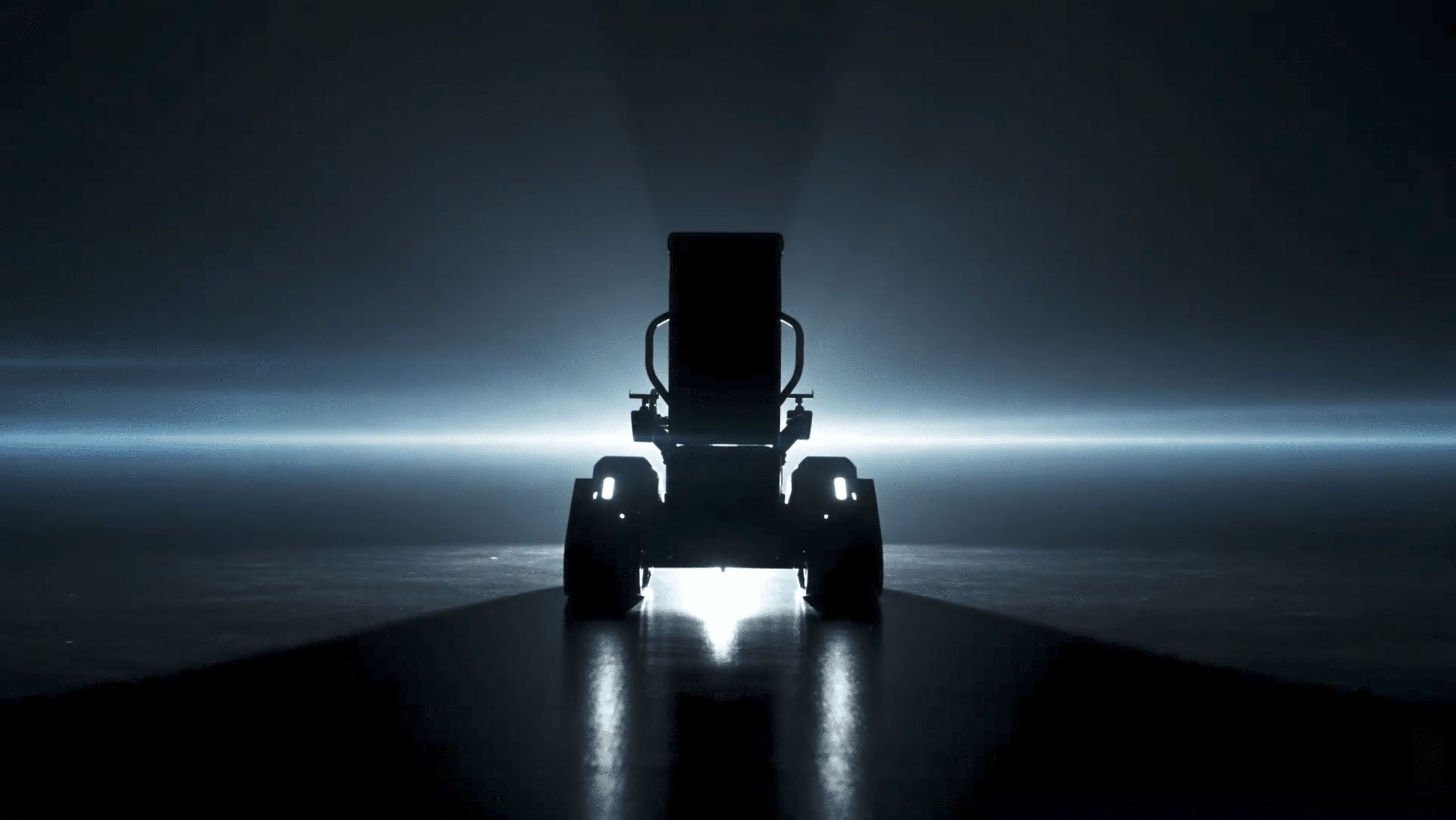
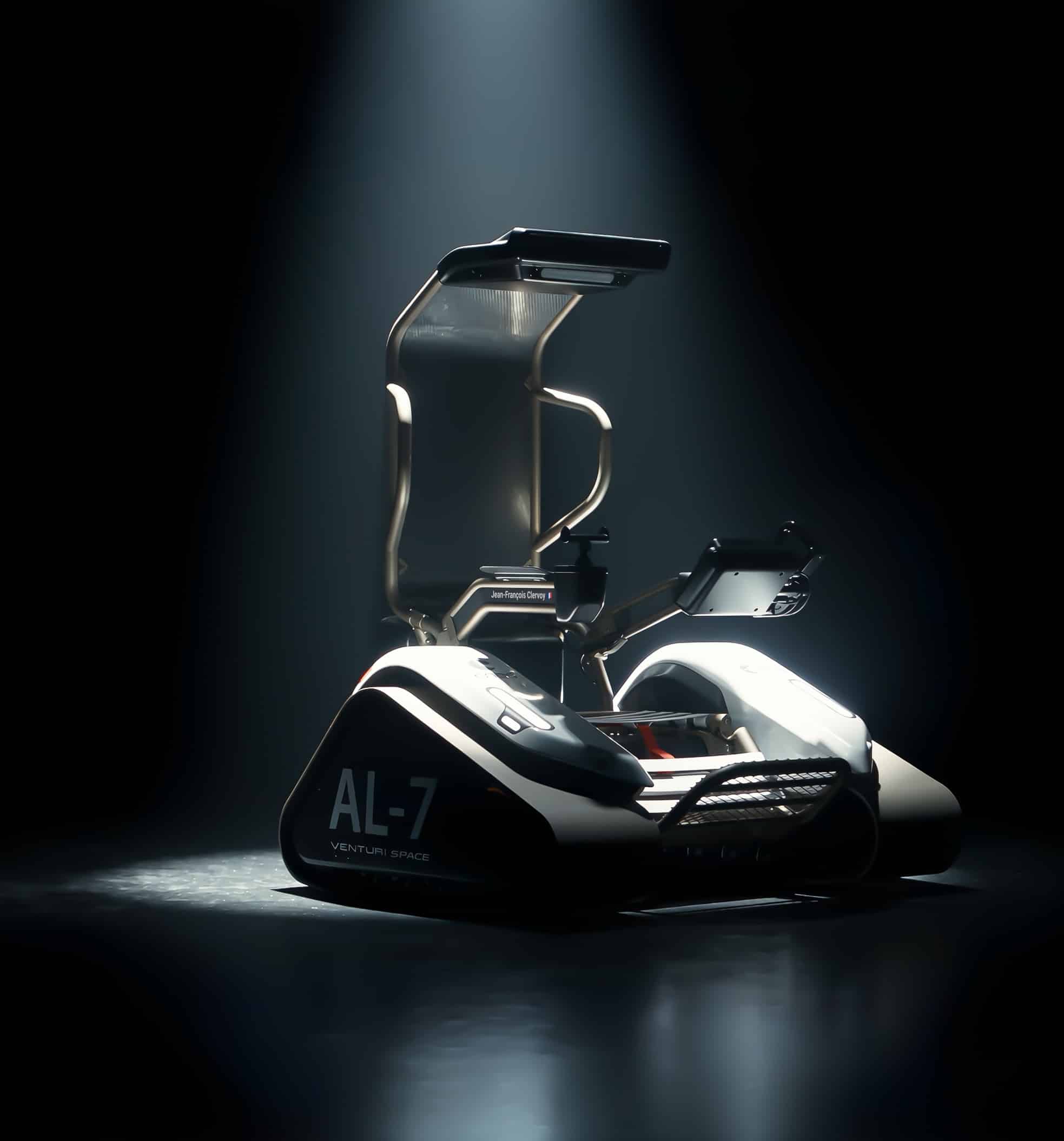
This single-person lunar rover has been conceived as a local utility vehicle capable of operating close to habitats.
With a target mass of 300 kg and a target speed of 15 km/h on the Moon, ALTA LUNA combines compact size with manoeuvrability. Its tracked architecture gives it a high degree of obstacle-crossing capability and enables it to climb steep slopes. It can operate alone or in coordination with other ALTA LUNA vehicles.
The vehicle is designed to be driven by an astronaut on board or to operate autonomously. In autonomous mode, navigation relies on a combination of LiDAR, stereo cameras and artificial intelligence. AI can also assist the astronaut in driving the vehicle.
ALTA LUNA could be used for excavation, grading and terrain preparation operations, including site development and the creation of routes and basic infrastructure. The vehicle can also transport payloads.
This single-person lunar rover has been conceived as a local utility vehicle capable of operating close to habitats.
With a target mass of 300 kg and a target speed of 15 km/h on the Moon, ALTA LUNA combines compact size with manoeuvrability. Its tracked architecture gives it a high degree of obstacle-crossing capability and enables it to climb steep slopes. It can operate alone or in coordination with other ALTA LUNA vehicles.
The vehicle is designed to be driven by an astronaut on board or to operate autonomously. In autonomous mode, navigation relies on a combination of LiDAR, stereo cameras and artificial intelligence. AI can also assist the astronaut in driving the vehicle.
ALTA LUNA could be used for excavation, grading and terrain preparation operations, including site development and the creation of routes and basic infrastructure. The vehicle can also transport payloads.
Technologies developed by Venturi Space
Three state-of-the-art technologies developed at three sites: Monaco for the batteries, Switzerland for the wheels and France for onboard management systems.
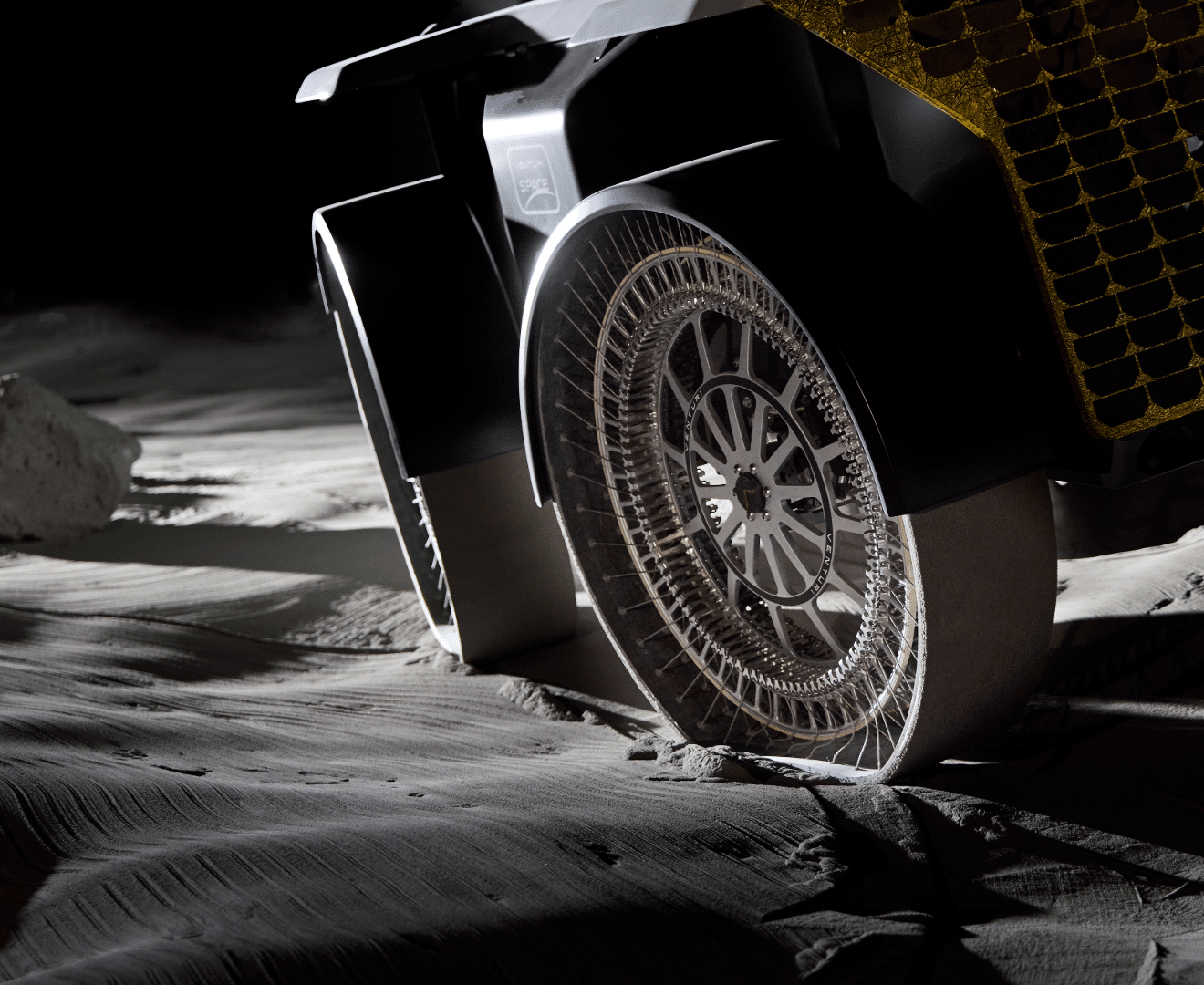
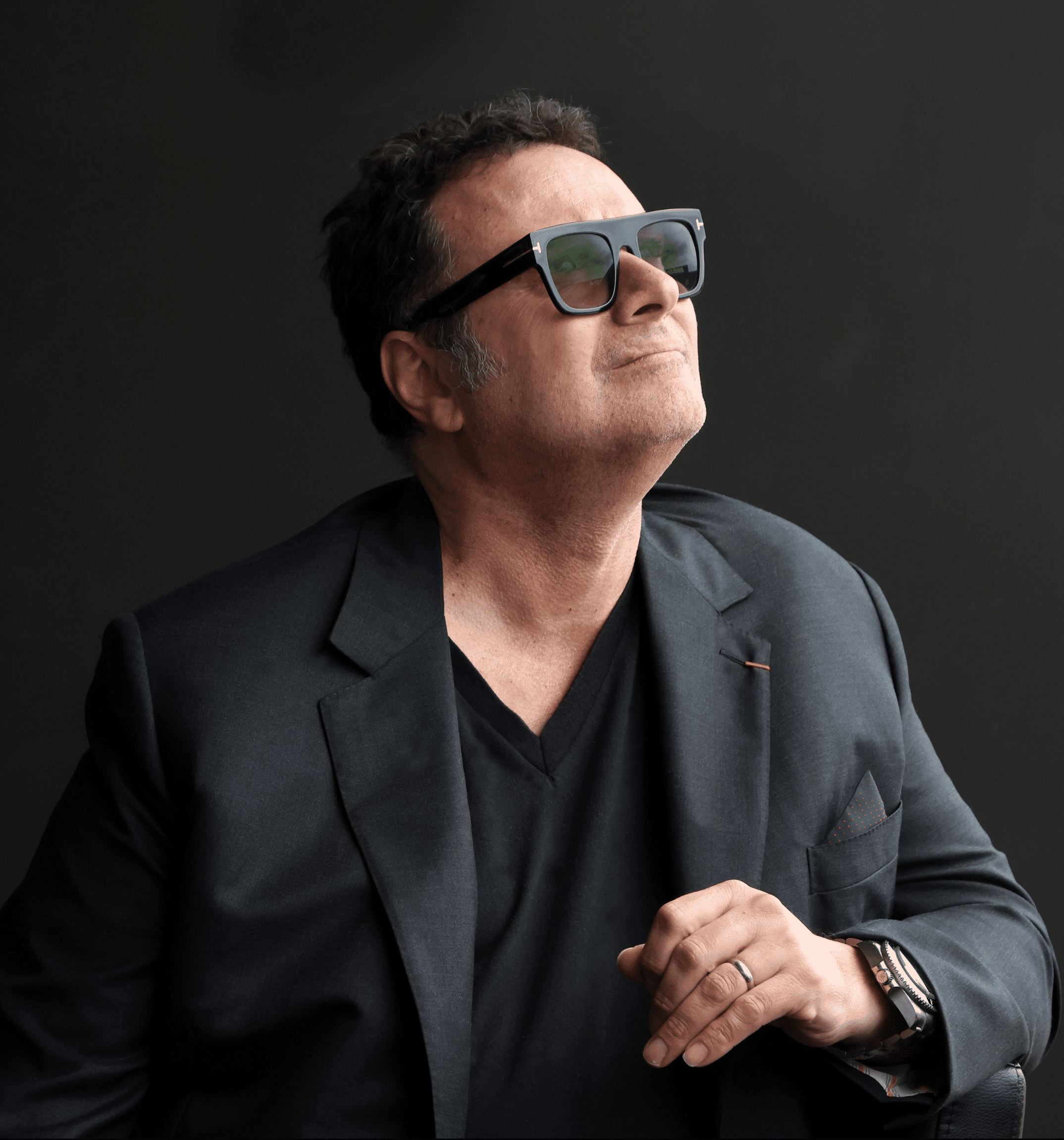
“First and foremost, I remain an explorer. Space is a new frontier. With MONA LUNA and ALTA LUNA, we are developing two complementary vehicles to make tangible progress on this new frontier. Working with Europe, we want to build a sovereign lunar mobility capability that meets the scientific, economic and strategic challenges of tomorrow.”