
Under a contract signed with the European Space Agency (ESA), Venturi Space has been conducting, since 1 January 2026, a risk-reduction study focusing on three key technologies for future lunar rovers.
384 000 km
from Earth
129.78°E
-89.67°S
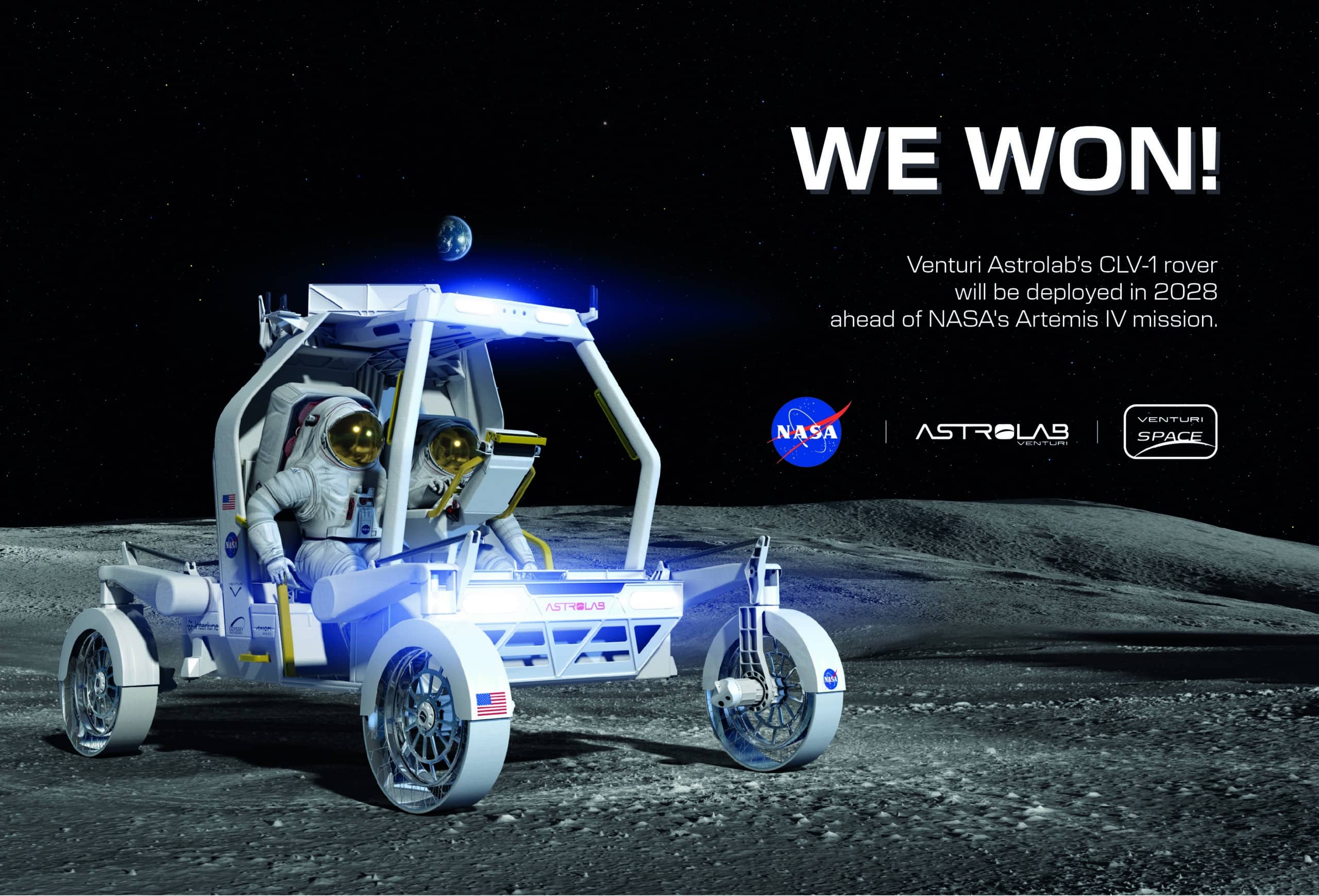
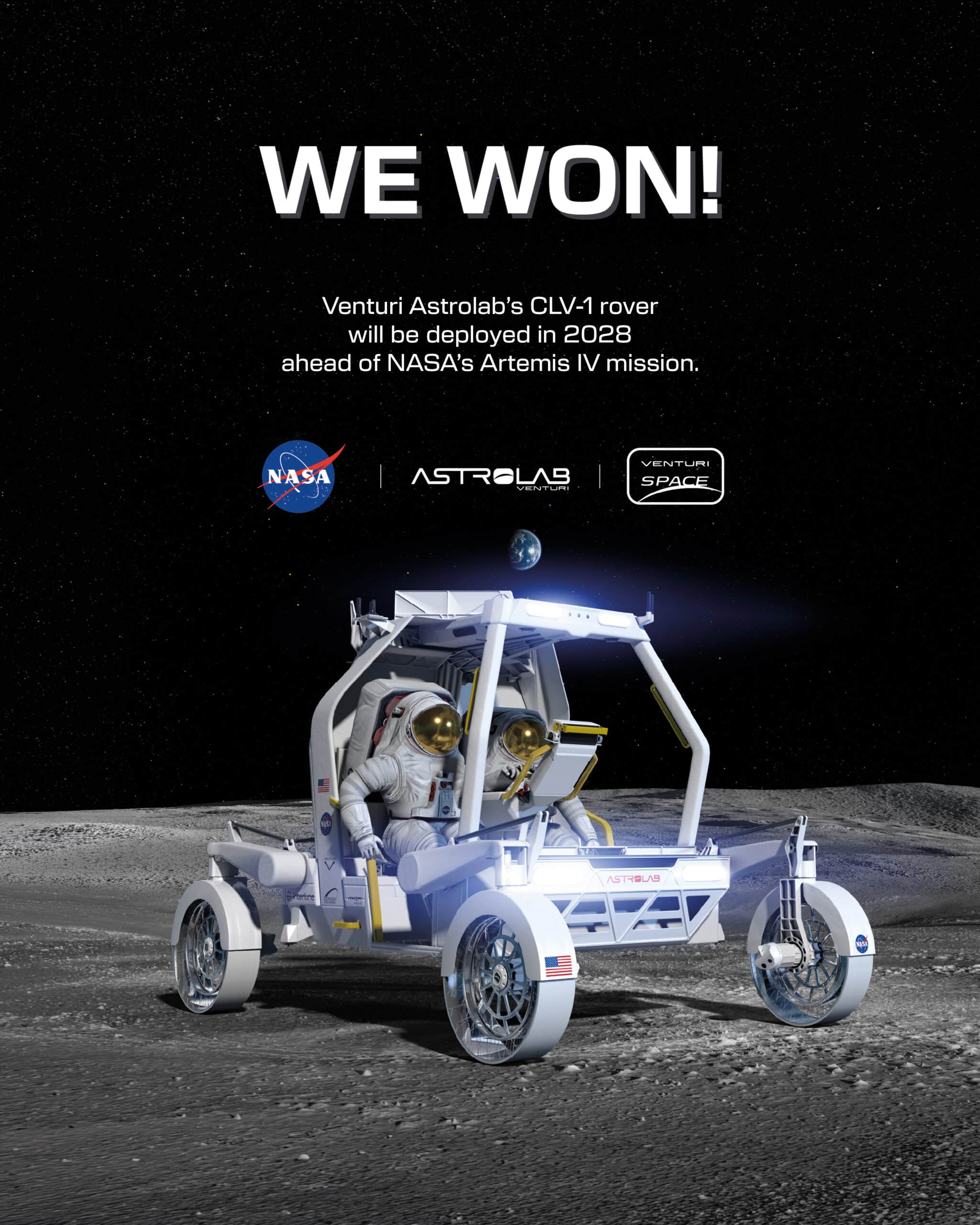
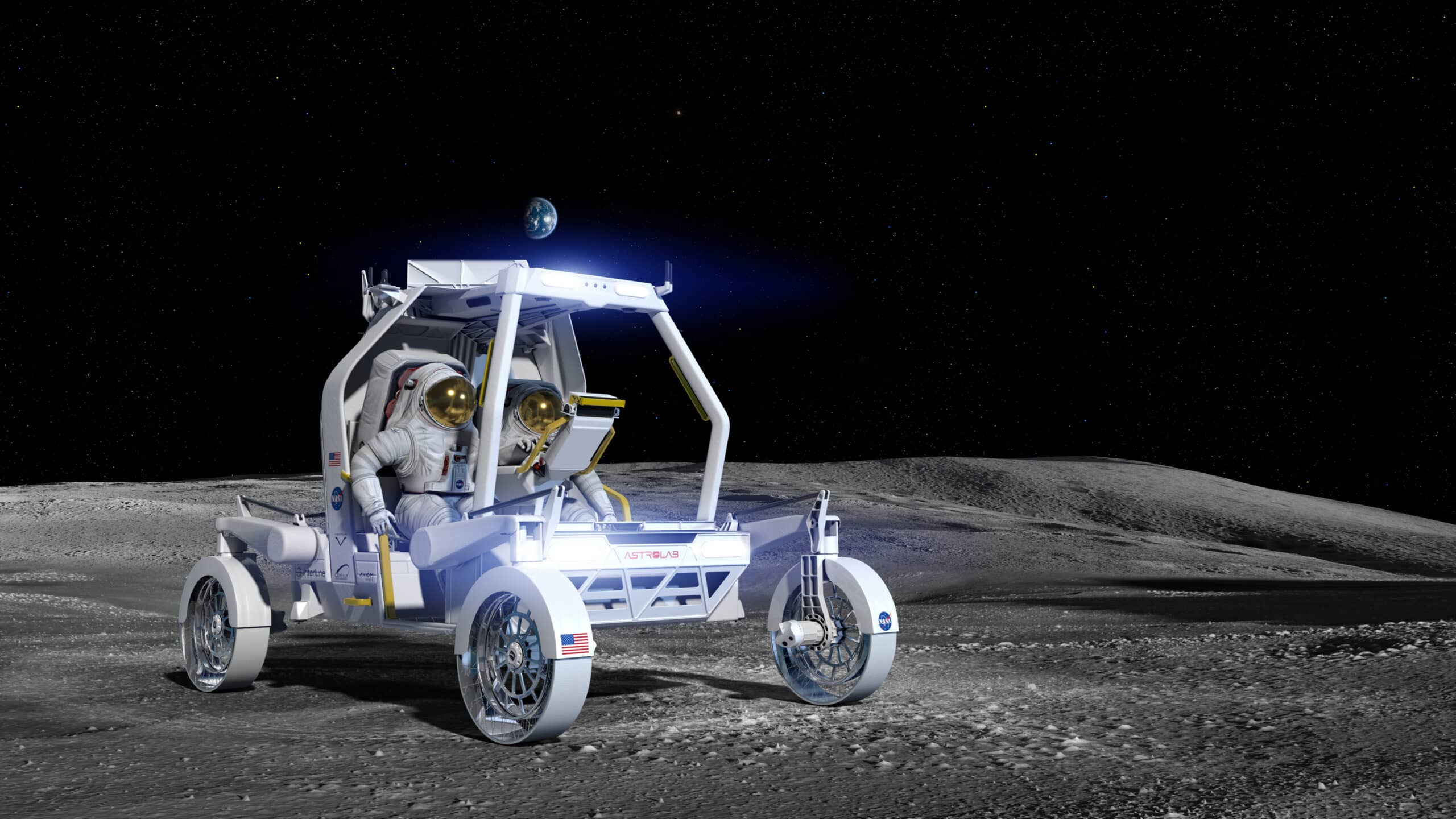
Monaco, 26 May 2026 – NASA announced today that it has selected the US-based company Venturi Astrolab, Inc. (Astrolab) as one of two providers of a crewed lunar rover for the Artemis campaign, advancing the agency’s plans to establish sustained surface mobility at the lunar South Pole. The new vehicle, known as the Crewed Lunar Vehicle, or CLV-1, will rely on critical technologies designed and manufactured by Venturi Space.
The CLV-1 rover was developed in response to NASA’s revised approach to lunar surface mobility, which calls for smaller rovers delivered on an accelerated timeline. Adapted from Astrolab’s FLEX rover architecture, the Crewed Lunar Vehicle is designed primarily to transport astronauts and their supplies, while also being capable of conducting certain surface operations remotely. Under the task order announced by NASA, Astrolab and its teammates will develop and deliver CLV-1 and related services to support crewed and robotic surface missions. NASA anticipates that the rovers funded by these awards will reach the Moon by 2028.
Venturi Space, strategic partner of Astrolab, is supplying CLV-1 with three critical subsystems that underpin its mobility, energy endurance and operational reliability.
Hyper-deformable wheels
Created from materials invented and developed by Venturi Space, the hyper-deformable wheels are designed to withstand the extreme constraints of the lunar South Pole. Their architecture is intended to absorb surface irregularities, limit sinkage and maintain constant traction, even on severe slopes and at temperatures ranging from –240 °C to +130 °C.
High-performance batteries
Designed and assembled to guarantee the rover a safe and durable power supply in the most severe conditions, the high-performance batteries incorporate an architecture that protects the energy system, regulates its temperature and preserves the vehicle’s energy availability, including during periods of inactivity imposed by lunar nights, which can last up to the equivalent of fourteen Earth days.
Battery management system
The central intelligence of the power system, the battery management system continuously monitors the state of the cells, ensures their balancing and contributes to the safety, performance and availability of the entire system. It plays a central role in the rover’s reliability during thermal cycles, driving phases and extended standby periods.
| QUOTES |
“I would like to congratulate our strategic partner Astrolab on securing this historic contract. Jaret Matthews has created, in record time, an agile, compact and efficient company that embodies a new generation of space exploration players. This selection also confirms the value of the technologies developed by Venturi Space. I am particularly proud of this, and equally proud of the work accomplished by our teams in France, Switzerland and Monaco.” – Gildo Pastor, President of Venturi Space
“Mobility is an essential condition for the sustainable exploration of the Moon. The prospect of seeing a crewed lunar rover equipped with our technologies accompany NASA astronauts represents a key milestone in Venturi Space’s trajectory. In six years, thanks to the trust of our strategic partner Astrolab and the impetus of our President Gildo Pastor, we have developed breakthrough technologies for one of the most hostile environments ever explored: the lunar South Pole.” – Dr Antonio Delfino, Director of Space Affairs at Venturi Space
“Gildo Pastor’s vision and commitment have been important to Astrolab’s collaboration with Venturi Space from the beginning. The Venturi Space team’s work on wheels, batteries and battery management systems has contributed meaningfully to our rover development, and we value their partnership as we continue developing CLV-1 to support NASA’s Artemis campaign.” – Jaret Matthews, Founder and CEO of Astrolab
The Venturi Space technologies equipping the CLV-1 rover are derived from the same technological foundation as those that will be integrated into MONA LUNA, Venturi Space’s European lunar rover. This programme aims to support European ambitions in lunar exploration, with a first mission expected around 2030.
Under a contract signed with the European Space Agency (ESA), Venturi Space has been conducting, since 1 January 2026, a risk-reduction study focusing on three key technologies for future lunar rovers.
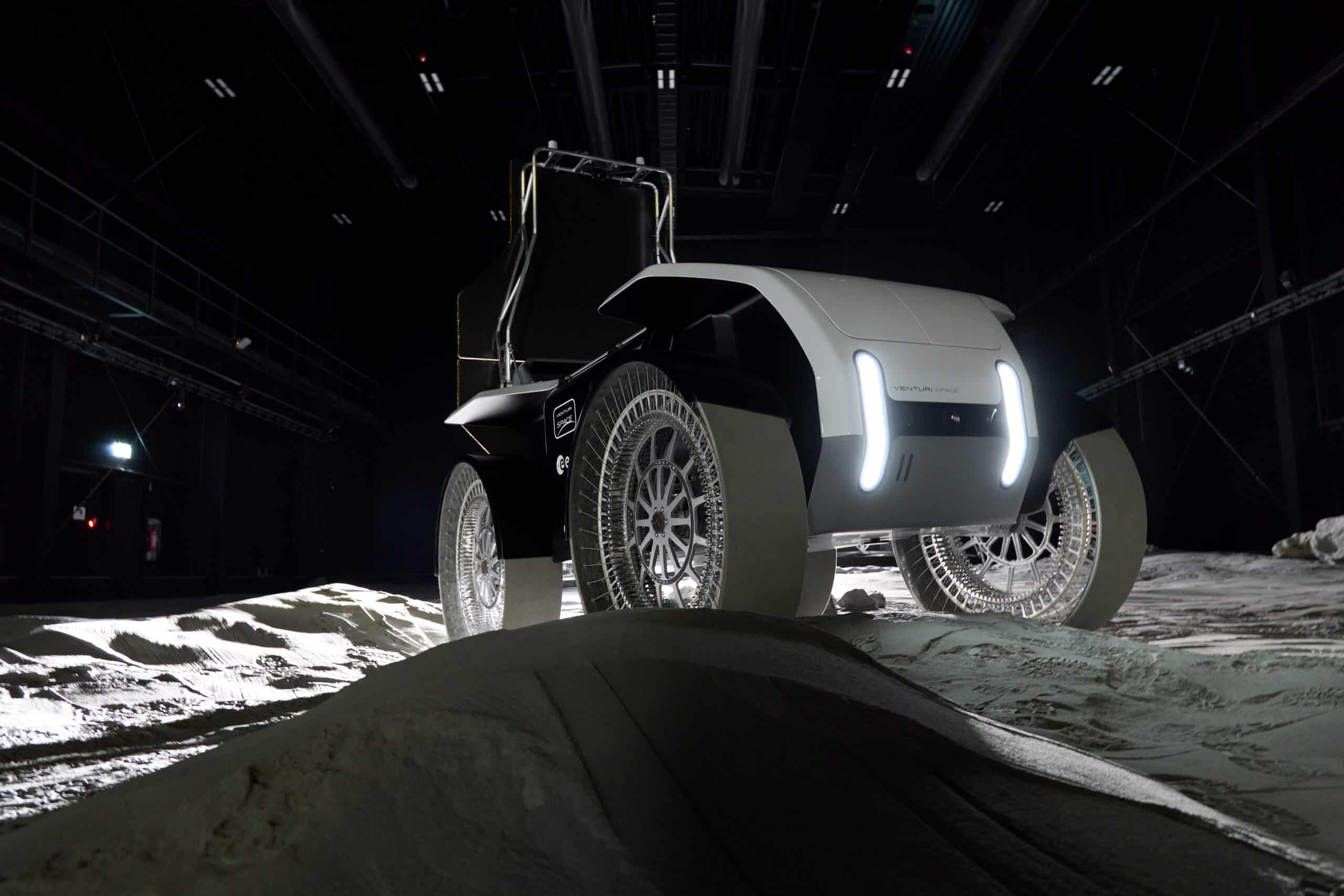
Five months after being unveiled at the Paris Air Show, the European lunar rover MONA LUNA has successfully completed a test campaign at the European Space Agency’s (ESA) LUNA centre in Cologne, Germany. A key outcome: the vehicle shows remarkable adaptability to loose soil, slopes, and obstacles.
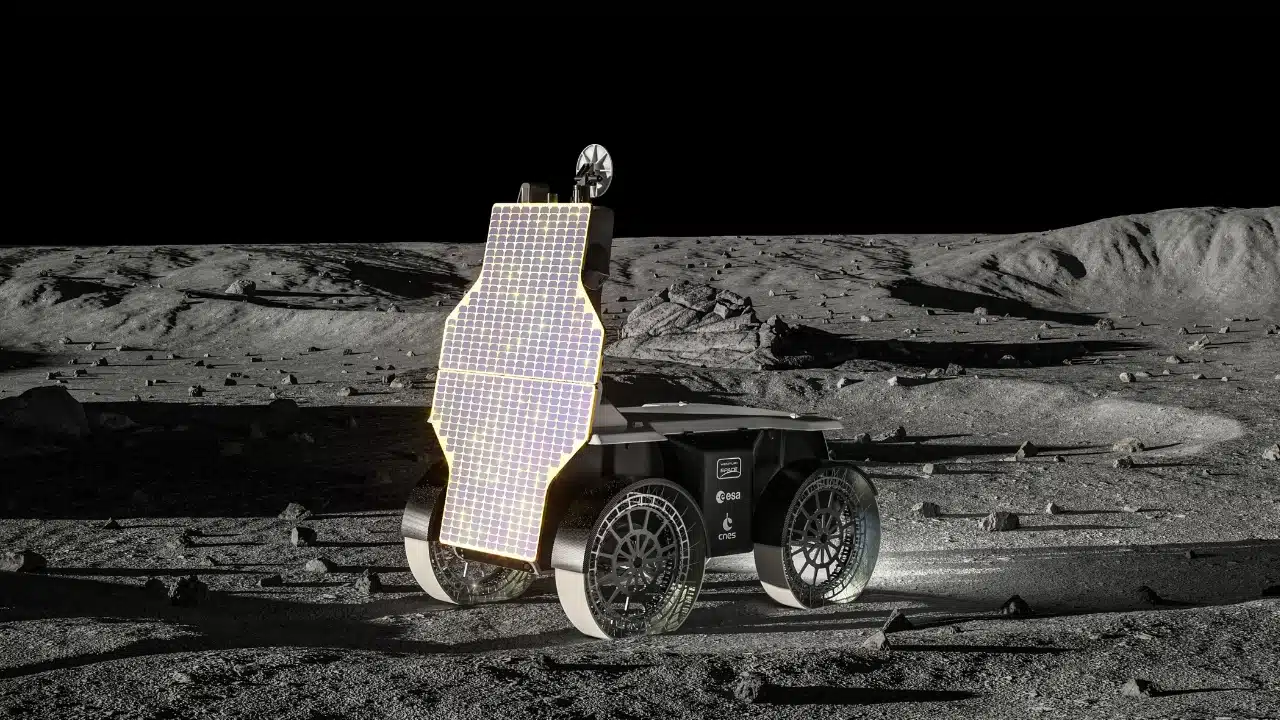
Venturi Space unveils MONA LUNA, its 100% European-built lunar rover. Designed to support the ambitions of the European Space Agency and the French CNES, the vehicle will be built at Venturi Space France's facility in Toulouse. The ultimate aim is to provide Europe with a lunar-capable rover by 2030.
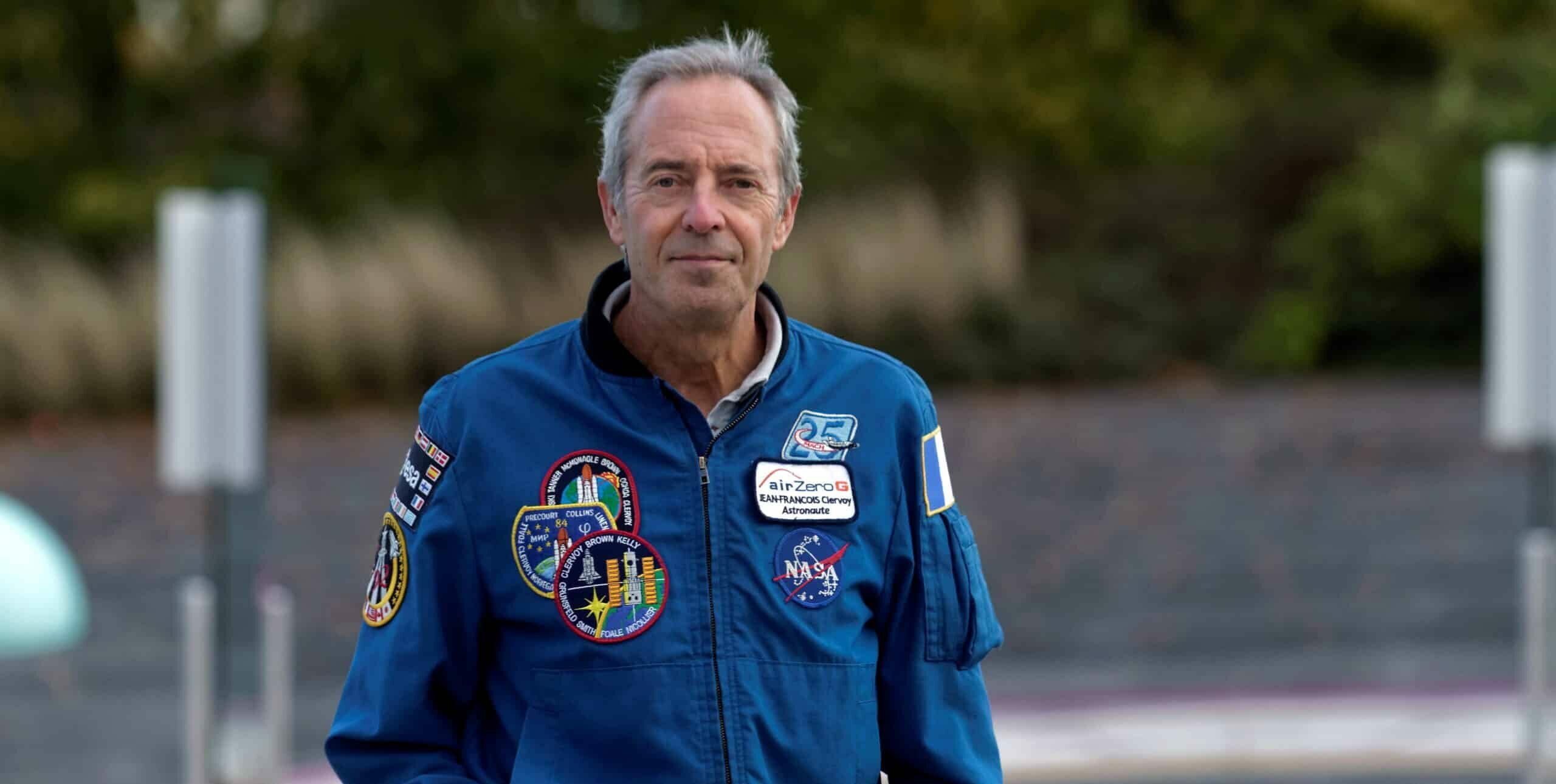 DDM VALENTINE CHAPUIS / L INGENIEUR FRANCAIS ET SPATIONAUTE JEAN FRANCOIS CLERVOY ETAIT A LA CITE DE L ESPACE A TOULOUSE DANS LE CADRE DE LA PRESENTATION DU NOUVEAU FILM DE ALICE WINOCOUR QUI RELATE L HISTOIRE D UNE FEMME SPATIONAUTE / CINEMA PORTRAIT
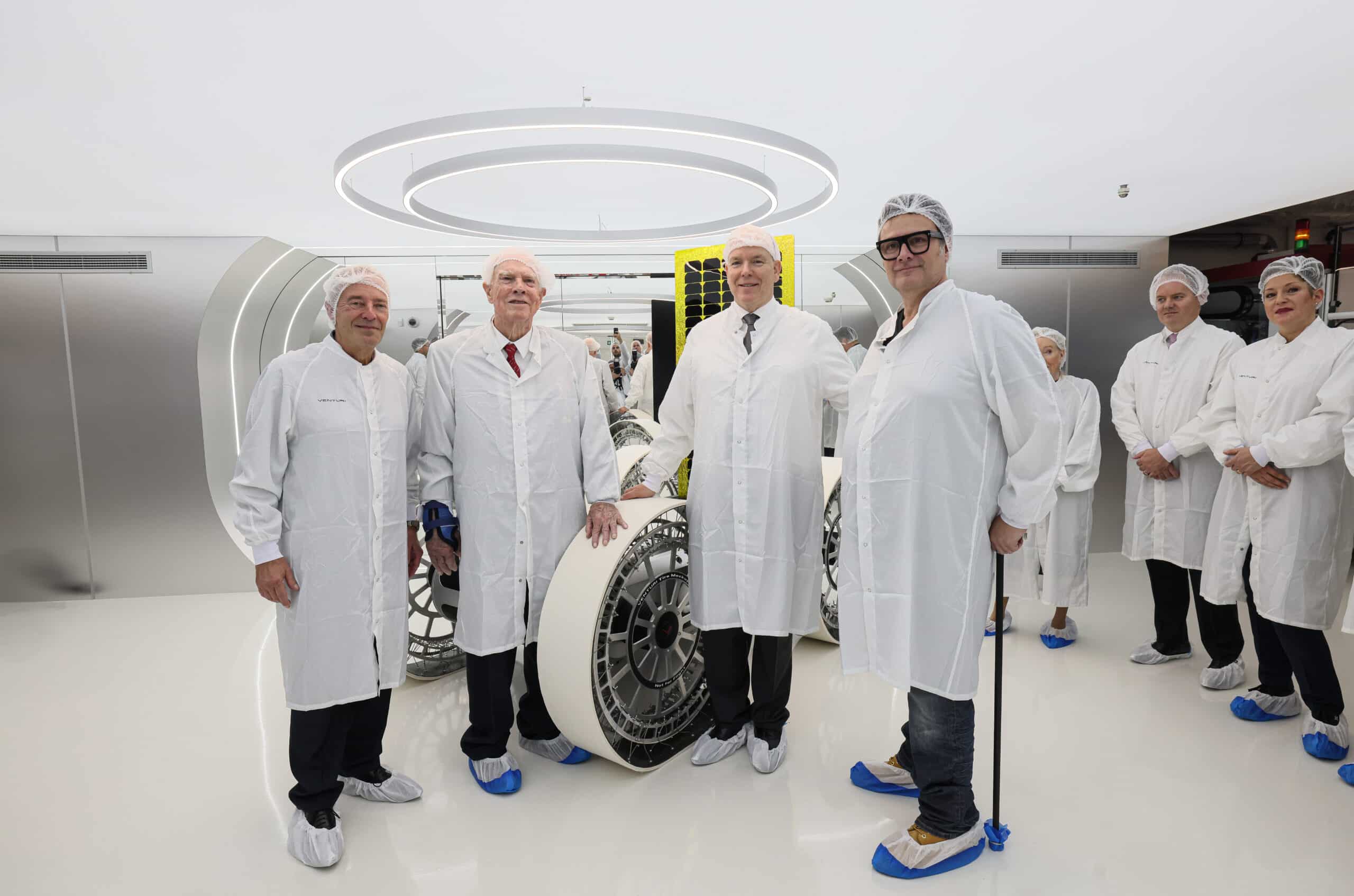
Gildo Pastor, President of the Monegasque company Venturi Space, welcomed HSH Prince Albert II of Monaco, the first person to have driven a rover on the Moon and Commander of the Apollo 15 mission General David Scott, and astronaut Jean-François Clervoy.
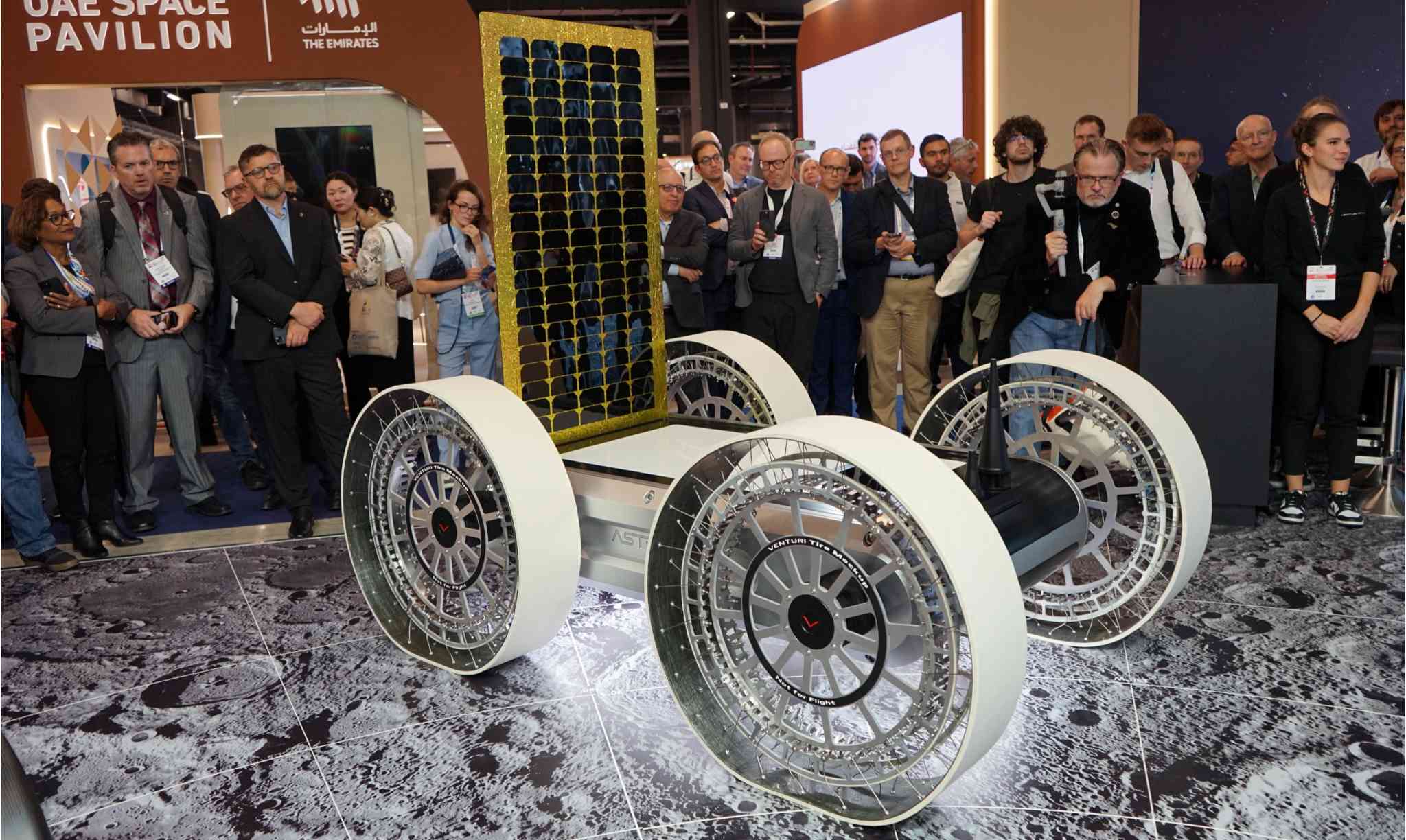
Venturi Space, and Venturi Astrolab, Inc. (Astrolab) announced their collaboration to produce a lunar rover, designed to respond to the growing number of institutional, businesses and scientific organizations in the U.S. and European markets, that are seeking access to the Moon for smaller payloads.